Select Page
FRP Scaffolding for Sale Finland

FRP Scaffolding Finland

FRP scaffolding has emerged as a practical and innovative solution for elevated work access across construction, industrial, and maintenance projects in Finland. Combining lightweight design, corrosion resistance, and high structural strength, FRP scaffolds provide a reliable alternative to traditional steel or aluminium scaffolds. Their adaptability makes them ideal for both indoor and outdoor applications, including environments with harsh weather conditions or exposure to chemicals. Professionals and industry enthusiasts in Finland increasingly rely on FRP scaffolding to ensure safety, efficiency, and long-term durability. Affix Scaffolding offers high-quality FRP scaffolding solutions tailored to meet the rigorous demands of modern work sites.

What is FRP Scaffolding?

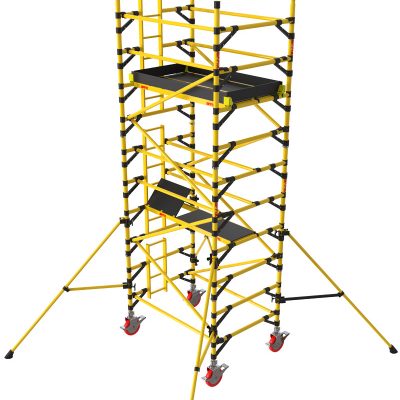
FRP scaffolding, also known as Fiberglass Reinforced Plastic scaffolding, is an advanced scaffold system designed to provide safe and durable elevated access for various projects. Unlike traditional scaffolding made from steel or aluminium, FRP scaffolding combines lightweight construction with exceptional resistance to corrosion, chemicals, and extreme weather conditions. This makes it a preferred choice for construction sites, industrial facilities, and maintenance operations across Finland.

Concept and Composition

FRP scaffolding is constructed from a combination of high-strength fiberglass fibers and resin matrices. The fiberglass fibers provide structural integrity and flexibility, while the resin ensures stability and protection against environmental damage. The resulting scaffold system is:

  • Lightweight: Easier to transport, assemble, and reposition on-site.

  • Durable: Resistant to corrosion, rust, and wear from harsh chemicals or moisture.

  • Non-conductive: Ideal for electrical or sensitive industrial environments.

The modular design allows components to be combined into platforms, towers, or custom scaffolding systems suitable for various tasks.

Types of FRP Scaffolding

FRP scaffolding is available in several configurations to suit specific project requirements:

  1. Mobile FRP Scaffolds: Equipped with locking wheels for easy repositioning, suitable for projects requiring frequent movement.

  2. Fixed FRP Scaffolds: Stable, permanent scaffolding solutions for long-term applications in industrial or construction sites.

  3. Modular FRP Systems: Components can be assembled in multiple configurations, offering flexibility in height, width, and platform arrangement.

  4. Tower FRP Scaffolds: Vertical scaffolding designed to access elevated work areas safely, often used in maintenance, painting, or inspection tasks.

Each type is engineered for safety, reliability, and ease of use, catering to a wide range of professional applications.

Applications of FRP Scaffolding

FRP scaffolding is utilized in diverse sectors due to its durability, lightweight properties, and chemical resistance. Common applications include:

  • Construction Projects: Provides elevated access for facade work, structural installations, and ceiling tasks.

  • Industrial Maintenance: Used in plants, refineries, and chemical facilities where exposure to corrosive substances is common.

  • Electrical and Mechanical Work: Non-conductive FRP scaffolds reduce the risk of electrical hazards.

  • Painting and Coating Operations: Safe, corrosion-resistant platforms suitable for long-duration painting tasks.

  • Facility Management: Temporary or semi-permanent access solutions for cleaning, inspection, and equipment servicing.

The versatility of FRP scaffolding ensures that it meets the operational needs of both large-scale construction projects and precise industrial maintenance tasks.

Advantages Over Traditional Scaffolding

FRP scaffolding offers several advantages compared to conventional steel or aluminium systems:

  • Corrosion Resistance: Unlike steel, FRP does not rust, even in wet or chemical-exposed environments.

  • Lightweight and Portable: Easier to move and assemble, reducing labor requirements.

  • Non-Conductive Properties: Enhances safety for electrical and industrial applications.

  • Low Maintenance: Resistant to environmental wear, requiring minimal upkeep.

  • High Strength-to-Weight Ratio: Supports personnel, tools, and equipment while remaining lightweight.

These benefits make FRP scaffolding an ideal choice for professionals seeking durable and safe elevated access solutions.

Key Components

FRP scaffolding systems consist of the following essential components:

  1. Standards/Vertical Posts: Provide the primary structural support for scaffolds.

  2. Ledgers/Horizontal Rails: Connect vertical posts, forming the frame for platforms.

  3. Transoms/Cross Braces: Stabilize the scaffold structure and support platform loads.

  4. Platforms/Decks: Walkable surfaces made from FRP materials, often equipped with anti-slip textures.

  5. Guardrails and Toe Boards: Safety features designed to prevent falls and equipment mishaps.

  6. Casters/Wheels: For mobile scaffolds, high-quality wheels facilitate smooth relocation.

Each component is designed to work together seamlessly, ensuring structural integrity, stability, and safety for workers at height.

Why Professionals Prefer FRP Scaffolding?

Professionals across Finland choose FRP scaffolding for its combination of lightweight construction, corrosion resistance, and non-conductive properties. Key reasons include:

  • Ease of assembly and relocation for multi-site projects.

  • High durability in chemical, wet, or industrial environments.

  • Compliance with safety standards while reducing workplace hazards.

  • Adaptability for different work heights and confined spaces.

  • Reduced long-term maintenance and replacement costs.

The robust design, safety features, and adaptability of FRP scaffolding make it a valuable tool for construction managers, facility operators, and industrial technicians.

Why is FRP Scaffolding Popular?

FRP scaffolding has gained significant popularity among construction, industrial, and maintenance professionals in Finland due to its combination of strength, lightweight design, and corrosion resistance. Unlike traditional scaffolding materials such as steel or aluminium, FRP scaffolds offer unique properties that make them highly practical, safe, and versatile for a wide range of applications.

Key Reasons for Popularity

  1. Lightweight Construction: FRP scaffolds are remarkably lightweight, making them easier to transport, assemble, and reposition on site. Professionals can handle scaffolding components without excessive labor, improving workflow efficiency and reducing setup times for projects of varying scales.

  2. Durability and Longevity: Fiberglass reinforced plastic offers superior resistance to corrosion, moisture, and chemical exposure. This durability ensures that FRP scaffolding maintains structural integrity over time, even in harsh environments such as industrial plants, coastal construction sites, or areas with high humidity.

  3. Corrosion and Chemical Resistance: FRP scaffolding does not rust or degrade when exposed to chemicals, acids, or saltwater. This property makes it particularly suitable for chemical plants, marine environments, and industrial facilities where traditional scaffolds may deteriorate quickly.

  4. Safety and Non-Conductive Properties: One of the most valuable attributes of FRP scaffolding is its non-conductive nature. Unlike metal scaffolds, FRP does not conduct electricity, which reduces the risk of electrical hazards during maintenance, construction, or industrial tasks. This feature enhances worker safety and regulatory compliance.

  5. Low Maintenance Requirements: FRP scaffolds require minimal maintenance compared to steel scaffolding, which needs frequent inspections, painting, or rust prevention. This reduces long-term costs for businesses and ensures scaffolds remain safe and functional with minimal upkeep.

  6. Versatility in Applications: FRP scaffolding can be configured in multiple ways to suit project-specific requirements. Mobile systems, fixed scaffolds, modular platforms, and tower configurations allow professionals to adapt scaffolding solutions to confined spaces, varying heights, and complex project needs.

  7. High Strength-to-Weight Ratio: Despite being lightweight, FRP scaffolds provide excellent load-bearing capacity. This balance allows them to safely support personnel, equipment, and materials while remaining easy to transport and maneuver. The high strength-to-weight ratio is a major factor in their widespread adoption.

  8. Resistance to Environmental Conditions: FRP scaffolds perform reliably under extreme weather conditions, including heavy rain, snow, and high humidity common in Finland. Their resistance to environmental degradation ensures long-term safety and durability for outdoor projects.

  9. Ease of Assembly and Modularity: Modular FRP scaffolding systems allow quick assembly and disassembly, which is ideal for multi-site projects or temporary setups. The modular nature enables customization of height, width, and platform arrangement according to project needs.

  10. Compliance with Safety Standards: FRP scaffolding adheres to Finnish and international safety regulations, featuring guardrails, stabilizers, anti-slip platforms, and secure connections. These compliance measures ensure that elevated work can be performed safely in industrial, construction, and maintenance environments.

Benefits Across Industries

FRP scaffolding’s popularity spans several sectors due to its unique properties:

  • Construction: Safe and durable access for structural installations, facades, and roofing tasks.

  • Industrial Facilities: Resistant to chemicals, moisture, and corrosion in plants and manufacturing environments.

  • Electrical Work: Non-conductive scaffolds reduce the risk of electrical accidents during elevated work.

  • Marine Projects: Excellent corrosion resistance for docks, ships, and coastal installations.

  • Facility Management: Easy-to-move scaffolds support maintenance, cleaning, and inspections in commercial buildings.

Why Professionals Prefer FRP Scaffolding?

Professionals in Finland favor FRP scaffolding because it provides a reliable balance between safety, efficiency, and longevity. Its lightweight design simplifies transportation and assembly, while its resistance to corrosion and chemicals ensures consistent performance in challenging environments. Non-conductive properties add a layer of safety that metal scaffolds cannot provide, making FRP scaffolding a preferred choice for high-risk tasks.

Environmental and Cost Considerations

FRP scaffolding also offers economic and environmental advantages:

  • Reduced Replacement Costs: Long lifespan and durability reduce the frequency of scaffold replacement.

  • Lower Maintenance Costs: Minimal upkeep compared to traditional scaffolds.

  • Sustainability: Fiberglass materials can be recycled, contributing to eco-conscious construction and industrial practices.

Benefits of FRP Scaffolding

FRP scaffolding offers numerous advantages over traditional scaffolding materials, making it a preferred choice for professionals and industry enthusiasts in Finland. Its unique combination of lightweight design, durability, and safety features enhances efficiency on construction, industrial, and maintenance projects. By providing reliable access and reducing operational risks, FRP scaffolding ensures both performance and peace of mind for users.

  1. Lightweight and Easy to Handle: FRP scaffolds are significantly lighter than steel scaffolds, making them easier to transport, assemble, and reposition. Workers can handle individual components without requiring heavy machinery, reducing labor costs and setup time. This mobility also allows for efficient use across multiple work sites.

  2. Corrosion Resistance: One of the most notable advantages of FRP scaffolding is its corrosion resistance. Unlike steel, FRP does not rust when exposed to moisture, chemicals, or saline environments. This ensures long-term durability, making it ideal for outdoor projects, coastal areas, and chemical plants in Finland.

  3. High Strength-to-Weight Ratio: Despite being lightweight, FRP scaffolding provides excellent structural strength. It can safely support personnel, tools, and materials while remaining easy to transport and assemble. This combination of strength and portability makes it suitable for both small-scale maintenance and large construction projects.

  4. Non-Conductive Properties: FRP scaffolding is non-conductive, which enhances safety for electrical and industrial applications. Professionals can work near electrical equipment or installations without the risk of electrical hazards, reducing the likelihood of workplace accidents.

  5. Durable and Long-Lasting: Fiberglass reinforced plastic materials offer superior durability, resisting wear and tear from heavy use, environmental exposure, or chemical contact. This long-lasting performance reduces the need for frequent replacements, providing cost savings over time.

  6. Low Maintenance Requirements: FRP scaffolds require minimal maintenance compared to metal scaffolding. There is no need for painting, rust prevention, or chemical treatment, which reduces both operational costs and downtime for maintenance tasks.

  7. Adaptable and Modular Design: FRP scaffolding can be configured in multiple ways to suit specific project needs. Modular components allow customization of height, width, and platform arrangements. Mobile and tower configurations provide versatility for both indoor and outdoor applications.

  8. Enhanced Safety Features: Safety is built into the design of FRP scaffolding. Guardrails, stabilizers, anti-slip platforms, and secure connections provide a reliable working environment. These features help prevent falls and accidents, ensuring compliance with Finnish safety standards.

  9. Resistance to Chemicals and Harsh Environments: FRP scaffolds withstand exposure to chemicals, acids, and harsh environmental conditions without deteriorating. This property makes them highly suitable for industrial facilities, chemical plants, and other challenging work environments where steel scaffolds would degrade.

  10. Cost-Effective Over Time: While initial investment may be higher than traditional scaffolding, FRP scaffolding provides significant long-term savings due to its durability, low maintenance needs, and reduced replacement frequency. Projects benefit from a reliable, long-lasting scaffold solution.

  11. Versatile Applications: FRP scaffolding is suitable for a wide range of applications, including construction, industrial maintenance, electrical work, marine environments, and facility management. Its adaptability ensures that one scaffold system can meet the needs of multiple projects.

  12. Ease of Assembly and Disassembly: FRP scaffolds are designed for quick and secure assembly without specialized tools. The modular design allows for easy disassembly and relocation, which improves efficiency and reduces downtime between tasks or job sites.

  13. Environmentally Friendly: FRP scaffolding materials can be recycled, reducing environmental impact. Its long lifespan also contributes to sustainability by minimizing waste associated with frequent scaffold replacement.

Features of FRP Scaffolding

FRP scaffolding has gained recognition in Finland for combining innovative design with high-performance materials. Its features provide safety, flexibility, and long-term durability, making it suitable for construction, industrial maintenance, and specialized work environments. Professionals and industry enthusiasts prefer FRP scaffolding due to its unique attributes, which set it apart from traditional scaffolds.

  1. Lightweight Construction: FRP scaffolding is constructed from fiberglass-reinforced plastic, offering a lightweight yet strong structure. This reduces the physical effort required for assembly and transport, allowing teams to set up scaffolds quickly and efficiently without heavy machinery.

  2. Corrosion and Chemical Resistance: One of the standout features of FRP scaffolding is its ability to resist corrosion, rust, and chemical exposure. Unlike steel scaffolds, FRP maintains structural integrity in wet, humid, or chemically active environments, making it ideal for industrial facilities, coastal projects, and chemical plants in Finland.

  3. Non-Conductive Properties: FRP scaffolding does not conduct electricity, which enhances safety during electrical or industrial tasks. This feature is crucial for projects near live electrical installations or sensitive equipment, reducing the risk of accidents and ensuring compliance with safety standards.

  4. High Strength-to-Weight Ratio: Despite its lightweight nature, FRP scaffolding provides excellent load-bearing capacity. It supports personnel, tools, and materials effectively while remaining easy to handle. This strength-to-weight ratio makes it suitable for both small-scale maintenance tasks and large construction projects.

  5. Durable Materials: The fiberglass and resin composition of FRP scaffolds ensures long-term durability. Components resist wear and tear from frequent use and harsh environmental exposure, extending the lifespan of the scaffolding system and reducing replacement costs.

  6. Modular and Versatile Design: FRP scaffolding systems are modular, allowing components to be assembled into various configurations. This adaptability enables professionals to customize scaffold height, platform width, and overall structure according to project requirements, making it suitable for complex or confined spaces.

  7. Mobile and Fixed Options: FRP scaffolds are available in both mobile and fixed configurations. Mobile scaffolds include locking wheels for easy relocation between work areas, while fixed scaffolds provide stability for long-term projects or stationary installations. This flexibility ensures efficient workflow across multiple project types.

  8. Anti-Slip Platforms: Platforms are designed with anti-slip surfaces to enhance worker safety. These platforms provide a stable footing for personnel and reduce the risk of falls, especially in wet or chemical-exposed environments.

  9. Guardrails and Toe Boards: Safety components such as guardrails and toe boards are standard features on FRP scaffolds. Guardrails prevent falls, while toe boards stop tools or materials from slipping off the platform. These features ensure compliance with Finnish and international safety standards.

  10. Weather Resistance: FRP scaffolding withstands harsh environmental conditions, including rain, snow, and UV exposure. This weather resistance ensures reliable performance for outdoor projects without the deterioration common to steel scaffolds.

  11. Easy Assembly and Disassembly: FRP scaffolds are designed for efficient assembly and disassembly. Modular components can be connected and detached without specialized tools, reducing setup time and allowing for easy relocation across multiple sites.

  12. Customizable Configurations: FRP scaffolding can be tailored to meet specific project needs. Components such as ladders, platforms, and braces can be adjusted or added to create safe, ergonomic, and efficient elevated workspaces.

  13. Low Maintenance: The materials used in FRP scaffolding require minimal upkeep. There is no need for painting, rust prevention, or chemical treatments, reducing operational costs and ensuring long-term usability.

  14. Lightweight Transportability: Components are designed for compact transport. Lightweight materials allow for easy loading, unloading, and stacking, facilitating movement between job sites and reducing logistics challenges.

  15. Safety Compliance: FRP scaffolding features integrated safety mechanisms and meets rigorous Finnish safety standards. This includes anti-slip surfaces, secure guardrails, and stabilizers, ensuring that elevated work is conducted safely and efficiently.

Tips to Follow While Looking for FRP Scaffolding

Selecting the right FRP scaffolding is essential to ensure safety, efficiency, and long-term durability on construction, industrial, or maintenance projects. Professionals in Finland must carefully consider several factors when evaluating options from FRP scaffolding suppliers to ensure they acquire systems that meet their project requirements. Affix Scaffolding provides high-quality FRP scaffolds designed to cater to these professional standards.

  1. Assess Project Requirements: Before selecting FRP scaffolding, evaluate the specific needs of your project. Consider factors such as:

    • Required height and platform dimensions

    • Load capacity and personnel requirements

    • Indoor versus outdoor use

    • Environmental conditions, including exposure to chemicals, moisture, or extreme weather

    Understanding these requirements ensures that the scaffold system chosen is both safe and functional for the intended application.

  2. Verify Compliance with Safety Standards: FRP scaffolding must comply with Finnish and international safety regulations. Check for features like:

    • Anti-slip platforms

    • Guardrails and toe boards

    • Stabilizers and secure locking mechanisms

    Compliance guarantees that the scaffolding provides a safe working environment for personnel.

  3. Evaluate Material Quality: High-quality FRP scaffolding is made from premium fiberglass and resin composites. Look for:

    • Corrosion-resistant materials

    • UV-resistant coatings for outdoor use

    • Non-conductive construction for electrical safety

    Superior material quality ensures durability, reliability, and reduced maintenance over time.

  4. Consider Weight and Mobility: Lightweight scaffolding enhances ease of assembly, relocation, and storage. Mobile FRP scaffolds with locking wheels are ideal for projects requiring frequent repositioning, while fixed scaffolds provide stability for long-term applications.

  5. Examine Modularity and Versatility: Modular scaffolding systems allow for customization of height, width, and platform configuration. Verify that the components can be adapted to different project layouts, confined spaces, or changing operational requirements.

  6. Check Load Capacity: Confirm that the FRP scaffold can safely support personnel, tools, and materials. Overloading scaffolds can compromise safety and reduce their lifespan. Load capacity should match or exceed project needs.

  7. Assess Ease of Assembly and Disassembly: Efficient scaffolding assembly saves time and labor costs. Ensure the system allows tool-free or minimal-tool assembly, and that components can be quickly disassembled for storage or relocation.

  8. Review Maintenance Requirements: One of the advantages of FRP scaffolding is low maintenance. However, confirm that the scaffolds require minimal upkeep, such as occasional cleaning, and that replacement parts are readily available if needed.

  9. Consider Environmental Conditions: FRP scaffolding should perform reliably under specific environmental conditions. For outdoor projects in Finland, consider exposure to rain, snow, UV rays, or chemicals. High-quality FRP scaffolds will remain durable and safe under such conditions.

  10. Evaluate Supplier Reliability: Partner with a trusted FRP scaffolding supplier in Finland who provides:

    • Expert consultation on scaffold selection

    • Guidance on assembly, safety practices, and maintenance

    • Efficient delivery and support services

    A reliable supplier ensures professional guidance and access to high-quality FRP scaffolding systems.

  11. Inspect Safety Features: Ensure scaffolds are equipped with essential safety components:

    • Guardrails and toe boards to prevent falls and falling objects

    • Anti-slip platforms for secure footing

    • Stabilizers for enhanced structural integrity

  12. Check for Customization Options: Some projects may require specific configurations or additional accessories, such as ladders, tool trays, or extended platforms. Opt for FRP scaffolding systems that allow customization to meet these unique needs.

  13. Budget Considerations: While initial investment in FRP scaffolding may be higher than traditional options, factor in long-term savings due to durability, low maintenance, and extended lifespan. Quality scaffolding reduces replacement costs and improves overall project efficiency.

  14. Verify Delivery and Support Services: Ensure that the supplier offers reliable delivery schedules and post-purchase support. Assistance with assembly instructions, component replacement, or technical guidance is invaluable for seamless project execution.

  15. Safety Training for Personnel: Ensure that workers using FRP scaffolding receive proper safety training. Understanding safe assembly, platform usage, and mobility procedures is essential for minimizing risks and optimizing productivity.

Why Choose Affix Scaffolding?

Selecting the right partner for FRP scaffolding solutions is critical to ensuring safety, efficiency, and long-term reliability on projects in Finland. Affix Scaffolding has established itself as a leading FRP scaffolding supplier in Finland, providing professionals and industry enthusiasts with high-quality scaffolding systems that meet rigorous standards. By combining durable materials, innovative designs, and exceptional service, Affix Scaffolding ensures that projects run smoothly, safely, and cost-effectively.

Commitment to Quality

Affix Scaffolding prioritizes quality at every stage of the FRP scaffolding process. All scaffolds are manufactured from premium fiberglass reinforced plastic, ensuring:

  • Durability: Resistant to corrosion, chemicals, and harsh weather conditions.

  • Strength: High load-bearing capacity suitable for personnel, tools, and equipment.

  • Safety: Non-conductive materials and integrated guardrails reduce workplace hazards.

This commitment to quality ensures that every FRP scaffold system supplied by Affix Scaffolding performs reliably in demanding environments.

Expert Guidance and Consultation

Affix Scaffolding provides expert support to help professionals select the right FRP scaffolding for their specific projects. This includes:

  • Assessment of project requirements, including height, load, and environmental conditions

  • Recommendations on scaffold type—mobile, fixed, modular, or tower

  • Advice on assembly, safety practices, and maintenance

By partnering with Affix Scaffolding, clients receive informed guidance to make safe, efficient, and cost-effective decisions.

Comprehensive Product Range

Affix Scaffolding offers a wide variety of FRP scaffolding solutions suitable for diverse applications:

  1. Mobile FRP Scaffolds: Designed for frequent relocation and versatile use.

  2. Fixed FRP Scaffolds: Stable structures ideal for long-term projects or stationary installations.

  3. Modular Systems: Customizable configurations for confined spaces or complex project layouts.

  4. Tower FRP Scaffolds: Vertical access scaffolds for maintenance, inspection, and construction tasks.

This comprehensive range allows clients to find scaffolding solutions tailored to their precise needs, ensuring safety and operational efficiency.

Safety as a Priority

Affix Scaffolding places a strong emphasis on safety, integrating key features into all FRP scaffolds:

  • Guardrails and Toe Boards: Protect workers and prevent falling objects.

  • Anti-Slip Platforms: Provide secure footing in wet or chemical-exposed environments.

  • Stabilizers and Locking Mechanisms: Ensure structural stability and reduce the risk of accidents.

  • Non-Conductive Materials: Ideal for electrical and industrial applications.

By focusing on safety, Affix Scaffolding helps clients meet Finnish regulatory standards while providing secure elevated work environments.

Durability and Long-Term Value

Investing in FRP scaffolding from Affix Scaffolding provides long-term value due to:

  • Corrosion Resistance: FRP materials maintain structural integrity over time, even in challenging environments.

  • Low Maintenance: Minimal upkeep reduces operational costs and downtime.

  • Extended Lifespan: Durable components reduce the need for frequent replacements, offering cost-effective solutions for repeated or long-term use.

This combination of durability and low maintenance ensures that clients receive scaffolding systems that remain safe, reliable, and efficient over the long term.

Innovation and Customization

Affix Scaffolding integrates innovative designs to enhance usability and efficiency:

  • Modular Components: Allow customization of height, width, and platform configuration.

  • Flexible Assemblies: Adaptable to confined spaces, outdoor environments, or complex project layouts.

  • Accessory Options: Additional ladders, tool trays, or extended platforms are available to meet specific project needs.

Innovation ensures that clients can tailor scaffolding solutions to their exact operational requirements without compromising safety or efficiency.

Reliable Support and Service

Affix Scaffolding provides ongoing support to ensure that scaffolding systems remain safe and effective:

  • Delivery and setup guidance to optimize project timelines

  • Technical support for assembly and usage inquiries

  • Availability of replacement components to minimize downtime

This reliable service strengthens client confidence, allowing professionals to focus on project execution rather than scaffold management.

Trusted FRP Scaffolding Supplier in Finland

Affix Scaffolding’s reputation as a trusted FRP scaffolding supplier in Finland is built on decades of professional experience, high-quality products, and consistent service excellence. Key reasons to choose Affix Scaffolding include:

  • High-quality FRP scaffolding designed for durability and safety

  • Comprehensive product range including mobile, fixed, modular, and tower scaffolds

  • Expert consultation to meet project-specific requirements

  • Safety features are integrated into all systems

  • Low-maintenance solutions offering long-term value

  • Innovation and customization options for complex projects

  • Reliable delivery, support, and component availability

FAQs

1. What is FRP scaffolding used for in Finland?

FRP scaffolding in Finland is used for construction, industrial maintenance, electrical work, and facility management. Its lightweight, corrosion-resistant, and non-conductive properties make it ideal for elevated access in indoor and outdoor environments, ensuring safe and efficient operations across multiple professional applications.

2. Why choose FRP scaffolding over traditional scaffolds?

FRP scaffolding in Finland offers superior corrosion resistance, lightweight construction, non-conductive properties, and durability. These advantages make it safer, easier to handle, and longer-lasting compared to steel or aluminium scaffolds, making it a preferred choice for construction, industrial, and maintenance professionals in Finland.

3. Are FRP scaffolds mobile or fixed?

FRP scaffolding in Finland is available in both mobile and fixed configurations. Mobile scaffolds feature locking wheels for easy repositioning, while fixed scaffolds provide stability for long-term projects. This versatility allows professionals to select the system that best meets their project’s requirements.

4. How safe is FRP scaffolding?

FRP scaffolding in Finland is designed with safety in mind, including anti-slip platforms, guardrails, toe boards, and stabilizers. Non-conductive materials reduce electrical hazards, and compliance with Finnish safety standards ensures secure and reliable elevated access for workers across construction and industrial applications.

5. Can FRP scaffolds be used outdoors in harsh conditions?

Yes. FRP scaffolding in Finland is resistant to corrosion, moisture, UV exposure, and extreme weather conditions. These features ensure durability and safe performance for outdoor construction sites, marine projects, and industrial environments, making it suitable for professional applications across Finland.

6. How easy is it to assemble FRP scaffolding?

FRP scaffolding in Finland is designed for efficient assembly and disassembly. Modular components allow quick setup with minimal tools, reducing labor and downtime. This ease of use makes FRP scaffolds ideal for projects requiring frequent relocation or temporary elevated access solutions.

7. What types of FRP scaffolding are available?

FRP scaffolding in Finland comes in mobile, fixed, modular, and tower configurations. Each type is designed to meet specific project needs, offering versatility, durability, and safety for construction, industrial maintenance, electrical work, and facility management projects.

8. How durable is FRP scaffolding?

FRP scaffolding in Finland is highly durable due to its fiberglass-reinforced plastic construction. It resists corrosion, chemical exposure, wear, and environmental degradation, providing long-lasting performance and reducing replacement and maintenance costs for professional projects.

9. Can FRP scaffolding support heavy loads?

Yes. FRP scaffolding in Finland offers a high strength-to-weight ratio, enabling it to safely support personnel, tools, and materials. Load capacity varies by configuration, ensuring that both mobile and fixed scaffolds meet project-specific requirements for construction and industrial applications.

10. Why choose Affix Scaffolding as a supplier?

Affix Scaffolding is a trusted FRP scaffolding supplier in Finland, providing high-quality, durable, and safe scaffolding systems. With expert consultation, modular options, safety features, and reliable support, Affix Scaffolding ensures professionals have efficient and cost-effective elevated access solutions for any project.