Select Page
Mobile Scaffolding

Mobile Scaffold Platform for Sale in Germany

The German construction industry demands scaffolding solutions that combine safety, efficiency, and adaptability. Mobile scaffolding plays a crucial role in facilitating access to various heights while ensuring worker security and operational flexibility. With a broad range of mobile scaffold platforms, towers, and modular systems, contractors and site managers can select equipment tailored to specific project requirements. Mobile scaffolding solutions in Germany are designed to meet stringent safety standards, withstand rigorous site conditions, and provide mobility across complex construction environments. Whether for commercial, residential, or industrial applications, these systems enhance productivity and streamline on-site operations.

What is Mobile Scaffolding?

Mobile scaffolding is a versatile and transportable framework designed to provide temporary support and access for workers, tools, and materials on construction sites. Unlike fixed scaffolding, mobile scaffolding emphasizes portability, allowing teams to reposition the structure as needed without dismantling the entire system. This flexibility is particularly valuable in Germany’s diverse construction environments, ranging from urban high-rise projects to industrial facilities and residential developments.

Core Components of Mobile Scaffolding

Mobile scaffolding systems are engineered with several essential components that ensure stability, safety, and adaptability:

  • Base Frames and Casters: Heavy-duty casters provide mobility, allowing the scaffold to be easily moved across surfaces. Locking mechanisms secure the base when in use.

  • Standards (Vertical Supports): Vertical tubes that bear the scaffold’s load, ensuring structural integrity and stability at various heights.

  • Ledgers (Horizontal Supports): Horizontal beams connecting vertical supports, maintaining alignment and distributing weight evenly.

  • Transoms (Platform Supports): Transoms provide support for platforms, ensuring a flat and secure working surface.

  • Platforms and Decks: Non-slip platforms made of steel or aluminium provide the surface on which workers stand and operate.

  • Guardrails and Toe Boards: Safety features designed to prevent falls and secure tools or materials from sliding off the platform.

  • Bracing Systems: Diagonal or cross braces enhance stability, especially at greater heights.

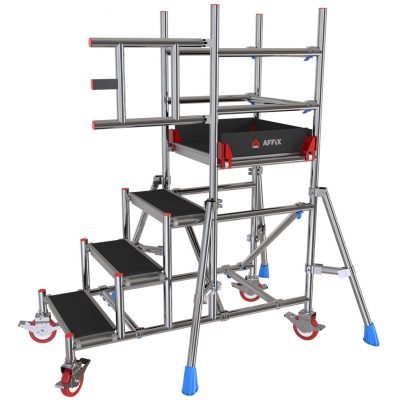
  • Access Ladders or Stairs: Integrated ladders or stair units provide safe access to elevated work areas.

Structural Design and Purpose

The design of mobile scaffolding prioritizes a balance between mobility and load-bearing capacity. These systems are modular, allowing easy assembly and disassembly without specialized equipment. Mobile scaffolds are engineered to support multiple workers, tools, and construction materials, ensuring operational efficiency while maintaining strict compliance with German safety regulations.

The primary purpose of mobile scaffolding is to provide safe and reliable access to elevated work areas while facilitating workflow flexibility. Its modular construction allows rapid adaptation to different project scales and heights. Mobility ensures that crews can reposition the scaffold along the worksite without dismantling, reducing downtime and labor costs.

Applications and Advantages of Mobile Scaffolding

Mobile scaffolding serves multiple functions on construction sites:

  • Elevated Access: Provides safe access to upper floors, ceilings, and exterior walls.

  • Material Handling: Supports tools, equipment, and materials at the required height.

  • Maintenance and Repairs: Facilitates routine inspections, painting, or structural repairs.

  • Flexible Workspace: Can be configured to suit confined spaces or complex architectural designs.

Types of Mobile Scaffold Structures

Mobile scaffolding comes in various configurations to suit project requirements:

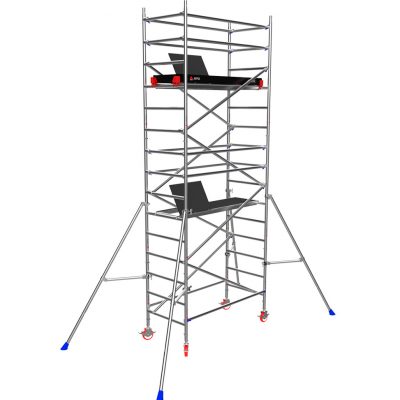
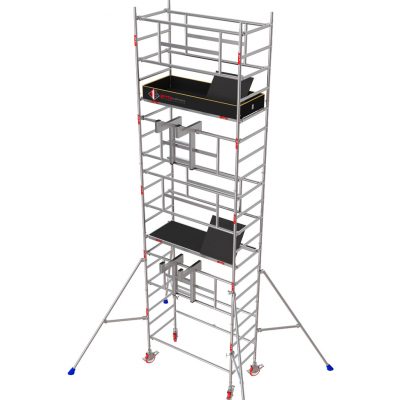
  • Mobile Tower Scaffold Germany: A freestanding tower scaffold designed for medium to high elevations, ideal for industrial, commercial, or large residential projects.

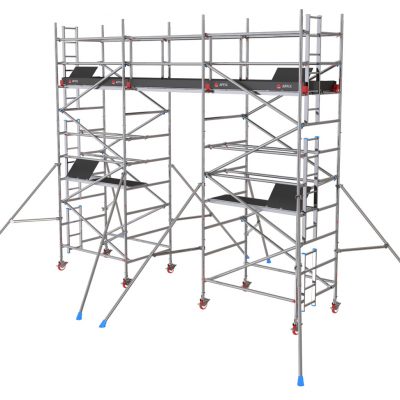
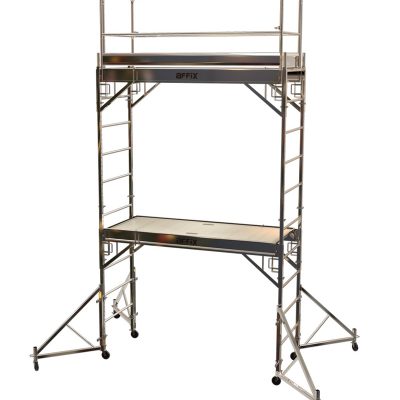
  • Mobile Scaffold Platform Germany: Flat, sturdy platforms with integrated guardrails, suitable for multi-person teams and extensive surface coverage.

  • Compact Mobile Scaffolds: Lightweight and easily transportable units for confined spaces or smaller-scale tasks.

Safety Considerations in Mobile Scaffolding

Safety is central to mobile scaffolding design. Key safety considerations include:

  • Ensure the scaffold base is level and casters are locked before use.

  • Proper bracing and securing of platforms to prevent tipping or collapse.

  • Compliance with European and German standards for load-bearing capacity and structural integrity.

  • Regular inspection of components for wear, corrosion, or damage.

Why Mobile Scaffolding is Preferred in Germany?

In Germany, construction projects prioritize efficiency, safety, and regulatory compliance. Mobile scaffolding provides:

  • Time-Saving Mobility: Quick repositioning reduces project downtime.

  • Adaptability: Modular systems can be customized for varying heights and site layouts.

  • Durability: High-quality materials withstand harsh environmental and operational conditions.

  • Safety Assurance: Conforms to DIN EN 1004 standards, ensuring reliable protection for workers.

Types of Mobile Scaffolding Available in Germany

Mobile scaffolding in Germany is designed to accommodate the diverse requirements of construction projects, ensuring safety, efficiency, and adaptability. Different types of mobile scaffolds provide solutions for varying heights, workloads, and site conditions. Selecting the right type is essential for optimizing workflow, maintaining compliance with safety regulations, and ensuring project productivity.

1. Mobile Tower Scaffold Germany

Mobile tower scaffolds are freestanding units that provide elevated work platforms for multiple workers. They are ideal for commercial, industrial, and large-scale residential projects. Key characteristics include:

  • Height Flexibility: Towers can reach several meters in height with stable support.

  • Mobility: Equipped with lockable casters, towers can be moved safely across sites.

  • Load Capacity: Designed to hold workers, tools, and materials simultaneously.

  • Safety Features: Guardrails, toe boards, and stabilizing braces reduce the risk of accidents.

These scaffolds are suitable for tasks such as exterior wall installations, ceiling work, and industrial maintenance projects. Their modular design allows teams to assemble, extend, or reconfigure the tower to meet specific site requirements.

2. Mobile Scaffold Platform Germany

Mobile scaffold platforms provide a broad working surface suitable for multiple personnel and equipment. Their features include:

  • Spacious Decks: Wide platforms for accommodating several workers and tools.

  • Adjustable Height: Platform levels can be altered according to project needs.

  • Robust Materials: Steel or aluminium construction ensures durability under heavy loads.

  • Enhanced Safety: Equipped with guardrails and non-slip surfaces.

These platforms are often utilized in projects that require extensive coverage, such as painting, cladding, or maintenance of high walls. The ability to move the platform without dismantling streamlines operations, improving efficiency.

3. Compact Mobile Scaffolds

For projects with limited space or lower heights, compact mobile scaffolds provide a practical solution. Features include:

  • Lightweight Design: Easier to transport and reposition.

  • Simple Assembly: Quick setup for small or temporary tasks.

  • Versatility: Can be adapted for indoor and outdoor use.

  • Safety Compliance: Meets DIN EN 1004 standards for lightweight mobile scaffolding.

These units are commonly used in indoor renovations, smaller residential projects, or maintenance tasks requiring flexibility in confined areas.

4. Adjustable Mobile Scaffolding Systems

Adjustable mobile scaffolding offers modularity and height customization, making it suitable for dynamic project requirements. Key attributes include:

  • Telescopic Standards: Vertical supports can be adjusted to desired heights.

  • Interchangeable Platforms: Platforms can be added or removed as needed.

  • Flexible Bracing: Cross braces ensure stability at various elevations.

  • Mobility and Safety: Lockable wheels and integrated guardrails maintain secure operation.

These scaffolds are particularly useful in construction sites where varying ceiling heights, uneven surfaces, or complex layouts demand flexible solutions.

5. Aluminium Mobile Scaffold Germany

Aluminium mobile scaffolding combines strength with lightweight portability, making it ideal for rapid deployment. Features include:

  • Corrosion Resistance: Suitable for outdoor and humid environments.

  • Ease of Transport: Lighter than steel, reducing manual handling effort.

  • Modular Construction: Can be extended or shortened based on project requirements.

  • Durable Platforms: Engineered to support heavy tools and materials.

Aluminium scaffolds are widely used in industrial projects, commercial renovations, and sites requiring frequent repositioning without compromising load-bearing capacity.

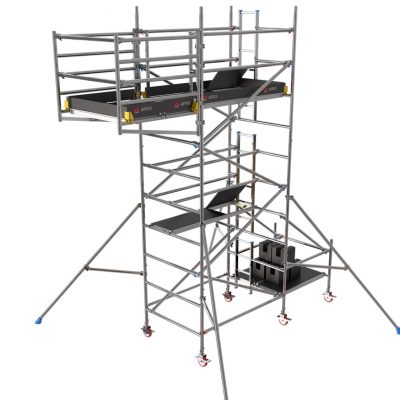
6. Multi-Level Mobile Towers

For projects requiring extensive vertical access, multi-level mobile towers provide additional height without compromising safety. Characteristics include:

  • Stackable Design: Multiple levels can be connected securely.

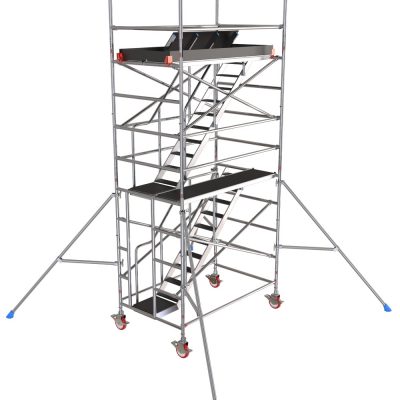
  • Integrated Access: Ladders or stair systems allow safe movement between levels.

  • High Load Capacity: Designed for heavy-duty construction tasks.

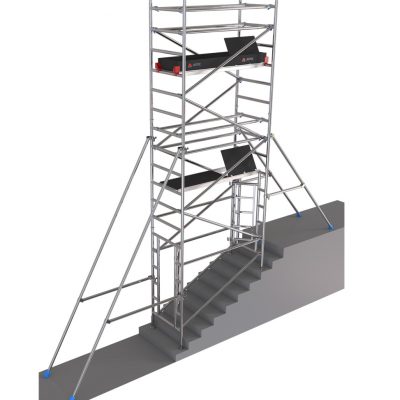
  • Stabilization Options: Outriggers and bracing prevent tipping.

These systems are effective in high-rise maintenance, large-scale commercial construction, or industrial plant installations.

Selecting the Right Mobile Scaffold in Germany

Choosing the appropriate type depends on project specifications, site conditions, and regulatory compliance. Key considerations include:

  • Height Requirements: Determine the elevation needed for safe and efficient work.

  • Load-Bearing Needs: Ensure scaffolding can support personnel, tools, and materials.

  • Site Conditions: Evaluate indoor vs. outdoor use, surface stability, and mobility.

  • Regulatory Compliance: Confirm adherence to DIN EN 1004 and other relevant German safety standards.

  • Project Duration: Decide between permanent mobile setups or temporary repositionable units.

Key Features of Mobile Scaffolding

Mobile scaffolding in Germany incorporates a variety of features designed to enhance safety, flexibility, and operational efficiency on construction sites. These features ensure compliance with stringent safety standards, facilitate ease of use, and allow contractors and site managers to execute projects effectively.

1. Mobility and Transportability

  • Equipped with heavy-duty, lockable casters for smooth movement across diverse surfaces.

  • Enables quick relocation along construction sites without dismantling the structure.

  • Reduces downtime between tasks by allowing scaffolds to be repositioned efficiently.

2. Modular Construction

  • Consists of interchangeable components, including standards, ledgers, and platforms.

  • Allows assembly, extension, or reduction to suit varying project heights.

  • Simplifies storage and transportation, optimizing logistics for large-scale projects.

3. Adjustable Height Systems

  • Vertical standards can be telescopically adjusted to match required elevations.

  • Supports platforms at multiple levels for versatile working positions.

  • Ideal for projects with uneven surfaces or varying ceiling heights.

4. Sturdy Platforms and Decks

  • Constructed with steel or aluminium for high load capacity.

  • Non-slip surfaces provide secure footing for personnel and equipment.

  • Wide platforms accommodate multiple workers and tools simultaneously.

5. Integrated Guardrails and Toe Boards

  • Guardrails protect workers from falls while maintaining a safe working environment.

  • Toe boards prevent tools and materials from accidentally falling.

  • Contributes to compliance with German DIN EN 1004 safety regulations.

6. Bracing and Stabilization

  • Diagonal and cross bracing ensure structural rigidity, especially at higher elevations.

  • Outriggers or stabilizers prevent tipping on uneven surfaces.

  • Enhances overall safety during heavy-duty construction operations.

7. Lightweight yet Durable Materials

  • Aluminium scaffolds combine strength with reduced weight for easy handling.

  • Corrosion-resistant materials extend lifespan in outdoor and industrial environments.

  • Steel scaffolds provide maximum load-bearing capacity for demanding tasks.

8. Easy Assembly and Disassembly

  • Components are designed for quick and secure connections without specialized tools.

  • Facilitates rapid setup for temporary or multi-site projects.

  • Reduces labor costs and minimizes project delays.

9. Integrated Access Solutions

  • Built-in ladders or stair systems enable safe vertical movement.

  • Prevents the need for additional access equipment.

  • Ensures efficient workflow between different platform levels.

10. Versatility Across Applications

  • Compatible with commercial, residential, and industrial construction environments.

  • It can be configured for confined spaces, large open areas, or uneven terrain.

  • Supports a range of tasks from maintenance and repair to full-scale construction.

11. Compliance with Safety Standards

  • Manufactured to meet European and German regulations.

  • Load-bearing and stability specifications adhere to DIN EN 1004 standards.

  • Provides peace of mind for contractors, engineers, and site managers.

12. Enhanced Ergonomics

  • Designed to minimize physical strain on workers during setup, repositioning, and operation.

  • Smooth surfaces and well-planned platform heights improve accessibility.

  • Promotes safer and more productive on-site working conditions.

13. Adaptable Configurations

  • Can be expanded or reconfigured to suit changing project requirements.

  • Supports multi-level construction, wide platforms, and complex scaffolding arrangements.

  • Offers flexibility for both short-term and long-term project needs.

14. Weather Resistance

  • Coatings and materials resist corrosion, moisture, and temperature fluctuations.

  • Ensures consistent performance in outdoor environments throughout the year.

  • Maintains structural integrity during prolonged exposure to challenging conditions.

15. Cost-Effective Operations

  • Durable construction reduces maintenance and replacement costs.

  • Mobility and modularity lower labor and logistical expenses.

  • Optimizes resource allocation while maintaining safety and efficiency.

Mobile scaffolding in Germany integrates these features to provide a reliable, adaptable, and safe solution for construction projects. Whether for high-rise commercial sites, residential renovations, or industrial maintenance, these scaffolds ensure that workers have secure access and contractors can maintain productivity. The combination of mobility, modularity, safety, and durability makes mobile scaffolding a vital component of modern construction operations.

Applications in German Construction Projects

Mobile scaffolding is widely used in Germany for a variety of construction applications, providing safe, flexible, and efficient access for workers, tools, and materials. Its adaptability makes it suitable for projects of different sizes and sectors, from commercial developments to residential buildings and industrial facilities.

1. Commercial Construction Projects

Mobile scaffolding plays a crucial role in commercial construction, where timelines, safety, and efficiency are critical:

  • High-Rise Buildings: Mobile tower scaffolds provide stable platforms for work at elevated levels, enabling safe access for façade installation, window fitting, and exterior finishing.

  • Office Complexes: Scaffold platforms allow teams to navigate multi-story structures efficiently, supporting tasks like painting, electrical work, and HVAC installation.

  • Retail Spaces: Mobile scaffolds facilitate safe access to ceilings, walls, and display areas, supporting fit-out and maintenance operations without disrupting workflow.

2. Residential Construction Projects

Residential projects benefit from mobile scaffolding due to its adaptability and compact design:

  • Apartment Complexes: Adjustable scaffold platforms provide secure access for external painting, window installation, and balcony construction.

  • Private Homes: Compact mobile scaffolds allow workers to reach roofs, eaves, and upper floors safely, even in limited spaces.

  • Renovation and Restoration: Mobile scaffolding supports maintenance and restoration work on older structures, offering stability and mobility for intricate tasks.

3. Industrial Applications

In industrial environments, mobile scaffolding ensures operational efficiency and worker safety:

  • Factories and Warehouses: Multi-level scaffold towers provide access for machinery maintenance, inspection, and cleaning tasks.

  • Energy Plants: Mobile scaffolds enable safe operations around turbines, generators, and other high structures.

  • Production Facilities: Scaffold platforms allow workers to perform repairs, inspections, or installations without shutting down critical operations.

4. Maintenance and Repair Projects

Mobile scaffolding is particularly valuable for maintenance and repair projects, where temporary elevated access is required:

  • Roofing and Exterior Repairs: Safe platforms allow for inspection, repair, and cleaning of roofs and exterior walls.

  • Facade Maintenance: Mobile scaffold platforms provide secure positioning for façade cleaning, painting, or cladding replacement.

  • Interior Maintenance: Adjustable scaffolding ensures safe access to high ceilings, light fixtures, and ventilation systems.

5. Infrastructure Projects

Infrastructure construction in Germany often requires elevated access and mobility:

  • Bridge Construction and Repairs: Mobile scaffolds provide platforms for concrete pouring, inspections, and structural repairs.

  • Railway Stations and Transit Hubs: Scaffold towers enable safe access for electrical installations, lighting, and ceiling works.

  • Public Buildings: Mobile scaffolds support construction and maintenance tasks in schools, hospitals, and government facilities.

6. Industrial Cleaning and Inspection

Mobile scaffolding is frequently used for technical inspections and cleaning operations:

  • Mechanical Equipment Inspection: Provides secure access for engineers performing inspections or maintenance.

  • Large Storage Tanks: Scaffold platforms offer safe positioning for routine checks and surface treatments.

  • HVAC Systems: Enables technicians to reach and service complex ductwork and ventilation units safely.

7. Painting and Surface Treatment Applications

Mobile scaffolds support both interior and exterior painting or surface finishing:

  • Exterior Walls and Facades: Wide platforms accommodate multiple workers, paint, and tools.

  • Interior Walls and Ceilings: Adjustable heights allow efficient coverage of large surfaces.

  • Industrial Coatings: Scaffold towers provide stable platforms for applying protective coatings to industrial structures.

8. Electrical and Mechanical Installations

Scaffolding facilitates the installation of electrical and mechanical systems in diverse construction projects:

  • Lighting and Electrical Fixtures: Safe access to high ceilings, walls, and utility areas.

  • HVAC Installation: Platforms support workers handling ducts, piping, and ventilation units.

  • Plumbing Systems: Provides stability and mobility for elevated pipework or equipment installation.

9. Renovation and Restoration Projects

Historic buildings and renovation sites often require scaffolding solutions with adaptability and mobility:

  • Heritage Structures: Mobile scaffolds allow careful restoration of facades, windows, and decorative elements.

  • Modernization Projects: Supports upgrades such as insulation installation, wall repairs, or façade treatment.

  • Adaptive Reuse Projects: Scaffold platforms provide secure access in unique building layouts or confined areas.

10. Temporary Access for Short-Term Projects

  • Mobile scaffolding is ideal for projects requiring short-term elevated access.

  • Enables safe, quick, and reusable solutions without permanent installation.

  • Reduces disruption to ongoing construction activities while maintaining worker safety.

In all these applications, mobile scaffolding ensures that construction tasks are performed efficiently and safely. Its mobility, modularity, and compliance with German safety standards make it a reliable solution for contractors, site managers, and engineers across commercial, residential, and industrial projects.

Buying vs. Renting Mobile Scaffolding in Germany

Construction companies and contractors in Germany often face the decision of whether to purchase or rent mobile scaffolding. Both options offer advantages depending on project scale, frequency of use, budget, and operational needs. Understanding the differences helps ensure cost-effectiveness, safety, and efficiency.

1. Buying Mobile Scaffolding in Germany

Purchasing mobile scaffolding offers long-term benefits, particularly for companies with frequent or ongoing projects. Key considerations include:

  • Ownership and Availability: Having scaffolding on-site ensures immediate access whenever needed, eliminating delays associated with rentals.

  • Customization: Purchased scaffolding can be selected to match specific height requirements, platform sizes, and configurations suited to your projects.

  • Long-Term Cost Efficiency: For businesses that use scaffolding frequently, ownership reduces recurring rental expenses.

  • Maintenance Control: Owners can manage inspection, repair, and maintenance schedules according to internal safety standards.

  • Investment in Quality: Purchasing allows selection of durable scaffolds with high load capacities and compliance with DIN EN 1004 regulations.

Buying mobile scaffolding is particularly advantageous for construction firms managing multiple sites simultaneously or those engaged in long-term residential, commercial, or industrial projects. It ensures consistent availability, customization options, and adherence to safety requirements.

2. Renting Mobile Scaffolding in Germany

Renting scaffolding offers flexibility and reduced upfront costs, making it suitable for short-term or occasional projects. Key benefits include:

  • Lower Initial Investment: Rental eliminates the need for large capital expenditure, freeing up resources for other operational needs.

  • Access to Modern Equipment: Rental companies often provide the latest scaffolding technology with high-quality materials and safety features.

  • Short-Term Needs: Ideal for projects of limited duration, maintenance tasks, or temporary installations.

  • Storage and Transport: Rental services may include delivery, setup, and collection, reducing logistical burdens.

  • Scalability: Renting allows contractors to scale scaffold quantities based on project requirements without long-term commitments.

Rental solutions are effective for companies undertaking specialized projects, occasional renovations, or one-off construction tasks. They provide access to mobile scaffold platforms, towers, and modular systems without the responsibilities of ownership.

3. Comparing Costs and Investment

  • Buying: Higher upfront costs but lower long-term expenditure for frequent users. Maintenance costs are borne by the owner, but investment ensures asset availability and durability.

  • Renting: Lower initial costs with flexibility, but repeated rentals for multiple projects may surpass the purchase cost over time. Rental fees vary by scaffold type, height, and duration of use.

4. Project Duration and Frequency

  • Frequent or long-term projects benefit from purchasing mobile scaffolding due to consistent availability and investment value.

  • Short-term, one-off, or seasonal projects are better suited for renting, offering temporary access without storage and maintenance responsibilities.

5. Storage and Logistics Considerations

  • Purchased Scaffolding: Requires warehouse or secure on-site storage, handling equipment, and management of mobility accessories.

  • Rented Scaffolding: Typically delivered, assembled, and collected by the supplier, reducing storage and transportation challenges.

6. Flexibility and Adaptability

  • Ownership provides full control over scaffold modifications, extensions, or custom configurations.

  • Rental solutions offer limited customization but allow access to specialized scaffolding systems for specific tasks.

7. Maintenance and Inspection Responsibilities

  • Buying: Owners must regularly inspect scaffolds, ensure safety compliance, and perform necessary repairs.

  • Renting: Rental companies often handle inspection, maintenance, and safety checks, reducing operational responsibilities for the contractor.

8. Safety and Compliance

Both purchased and rented scaffolding must meet German and European safety standards:

  • DIN EN 1004 compliance ensures load capacity, structural integrity, and worker protection.

  • Choosing reputable suppliers or vendors ensures access to scaffolding systems that adhere to legal and safety regulations.

9. Decision-Making Factors

Key factors influencing the choice between buying and renting include:

  • Frequency of use across multiple projects.

  • Project duration and complexity.

  • Budget allocation and capital expenditure preferences.

  • Storage availability and logistical capabilities.

  • Safety, compliance, and access to modern scaffolding technology.

10. Practical Recommendations

  • Companies with ongoing projects across multiple sites often find purchasing mobile scaffolding in Germany more cost-effective and operationally convenient.

  • Contractors managing short-term, specialized, or occasional projects benefit from renting mobile scaffolding, gaining flexibility and minimizing logistical burdens.

  • Hybrid approaches, combining ownership of core scaffolding with rental of specialized units, can optimize cost, efficiency, and adaptability.

Safety Guidelines and Best Practices

Mobile scaffolding in Germany is widely used across construction, industrial, and maintenance projects, but safe usage depends on proper assembly, inspection, and operational practices. Following established safety guidelines ensures compliance with DIN EN 1004 standards and protects workers from accidents or injuries.

1. Proper Assembly Procedures

  • Site Assessment: Evaluate ground conditions to ensure level and stable surfaces. Avoid soft, uneven, or sloped areas without appropriate stabilization.

  • Component Inspection: Check all scaffold parts, including standards, ledgers, braces, and casters, for damage or wear before assembly.

  • Foundation and Base: Secure base frames with lockable casters and ensure they are fully leveled.

  • Bracing Installation: Install diagonal or cross braces for stability, especially on taller structures.

  • Platform Placement: Position platforms securely on transoms, ensuring they are fully seated and locked.

2. Safe Usage Practices

  • Weight Limits: Do not exceed the scaffold’s specified load capacity. Include the weight of workers, tools, and materials in calculations.

  • Movement: Always lock casters before starting work. Move the scaffold only when it is unoccupied and cleared of equipment.

  • Access Points: Use integrated ladders or stair units for safe access to elevated platforms. Avoid climbing on guardrails or scaffolding components.

  • Guardrails and Toe Boards: Ensure all guardrails are properly installed and toe boards are in place to prevent falls and tool drops.

3. Inspection and Maintenance

  • Daily Checks: Inspect scaffolding at the start of each shift to identify any loose or damaged components.

  • Regular Maintenance: Lubricate moving parts, tighten connections, and replace worn components promptly.

  • Environmental Considerations: Monitor for weather-related risks, such as slippery surfaces due to rain or ice, and adjust operations accordingly.

  • Professional Inspections: Conduct periodic inspections by qualified personnel to ensure compliance with safety standards.

4. Stabilization and Securing

  • Outriggers and Stabilizers: Use these on taller scaffolds or uneven surfaces to prevent tipping.

  • Tie-Ins: For scaffolds near structures, secure tie-ins can provide additional stability.

  • Leveling Devices: Adjustable bases or screw jacks help maintain balance on sloped or irregular surfaces.

5. Training and Competency

  • Ensure all personnel involved in scaffold assembly, inspection, or use are properly trained.

  • Training should include load limits, hazard identification, proper movement, and emergency procedures.

  • Continuous safety education reinforces adherence to best practices and minimizes risk.

6. Safe Material Handling

  • Distribute materials evenly across platforms to maintain balance.

  • Avoid overloading one side, which can compromise stability.

  • Use designated lifting techniques or hoists to position heavy tools and equipment safely.

7. Emergency Preparedness

  • Establish clear evacuation routes for scaffold-related emergencies.

  • Provide workers with access to first aid kits and emergency contacts.

  • Develop procedures for responding to scaffold instability, collapse, or worker injuries.

8. Adapting to Site Conditions

  • Indoor Projects: Be mindful of ceiling heights, overhead structures, and confined space limitations.

  • Outdoor Projects: Consider wind, rain, snow, or ice when planning scaffold usage. Additional stabilization may be required.

  • Industrial Sites: Ensure scaffolds are positioned away from hazardous machinery, electrical systems, or chemical exposure areas.

9. Documentation and Compliance

  • Maintain records of scaffold inspections, maintenance, and training certifications.

  • Ensure scaffolds are compliant with German regulations and European safety standards.

  • Proper documentation provides accountability and supports safety audits or regulatory inspections.

10. Best Practices for Mobile Scaffolding Operations

  • Only use scaffolds on surfaces rated for the scaffold’s load.

  • Avoid modifications or ad-hoc adjustments without proper engineering approval.

  • Prohibit unauthorized personnel from accessing or moving scaffolds.

  • Monitor scaffold conditions throughout the project lifecycle, adjusting configurations as required.

  • Encourage a safety-first culture, where workers report hazards and unsafe practices immediately.

By adhering to these safety guidelines and best practices, mobile scaffolding becomes a secure, reliable, and efficient solution for construction projects across Germany. Regular inspection, proper assembly, and trained personnel ensure the scaffolding system maintains stability, durability, and compliance. Safe operations reduce the risk of accidents, protect workers, and enhance overall project productivity.

Market Trends in Germany

The market for mobile scaffolding in Germany is influenced by construction activity, regulatory standards, technological advancements, and evolving project requirements. Contractors, site managers, and procurement teams must remain aware of trends to make informed decisions when selecting scaffolding solutions.

1. Growing Demand for Mobile Scaffolding

  • Urbanization and high-rise construction projects increase the need for safe, efficient access solutions.

  • Industrial expansions and infrastructure upgrades require adaptable scaffolding for maintenance and installation tasks.

  • Rising investments in residential construction, including multi-family housing, create demand for versatile mobile scaffold platforms.

2. Technological Innovations

  • Lightweight Materials: Aluminium scaffolding is increasingly preferred for portability and corrosion resistance.

  • Modular Systems: Enhanced modular designs allow rapid assembly, disassembly, and adaptability to various project layouts.

  • Integrated Safety Features: Built-in guardrails, non-slip platforms, and stabilizing mechanisms improve workplace safety.

  • Digital Integration: Some manufacturers offer digital load indicators, assembly guides, or inspection tracking for better operational management.

3. Focus on Safety and Compliance

  • German construction regulations, including DIN EN 1004, dictate design, load capacity, and stability standards for mobile scaffolds.

  • Contractors prioritize scaffolding that meets or exceeds safety requirements to minimize legal and operational risks.

  • Periodic inspections and certifications are becoming standard practice for project approvals.

4. Sustainability and Eco-Friendly Solutions

  • Lightweight aluminium scaffolding reduces transportation emissions and energy consumption.

  • Reusable, durable scaffolding systems align with environmental objectives and corporate sustainability programs.

  • Reduced waste through modular and long-lasting scaffolding components supports greener construction practices.

5. Increasing Preference for Rental Solutions

  • Short-term projects or specialized tasks lead to higher demand for rental scaffolding.

  • Rental options provide access to advanced equipment without significant upfront costs.

  • Suppliers offering flexible rental periods, delivery, and setup services are gaining popularity among contractors.

6. Versatility Across Sectors

  • Commercial, residential, and industrial construction increasingly rely on mobile scaffolding for elevated access.

  • Maintenance, renovation, and restoration projects also contribute to consistent demand.

  • Multi-purpose scaffolding platforms that serve different industries reduce the need for multiple systems.

7. Integration with Project Management Practices

  • Scaffolding is now integrated into digital project planning and workflow management.

  • BIM (Building Information Modeling) and site scheduling consider scaffold placement, height requirements, and mobility needs.

  • Efficient scaffold planning minimizes downtime and supports tighter project timelines.

8. Market Consolidation and Supplier Trends

  • Professional mobile scaffolding suppliers in Germany are consolidating to provide a full range of products and services.

  • Comprehensive service offerings include sales, rental, maintenance, training, and technical support.

  • Contractors benefit from suppliers who ensure quality, compliance, and timely delivery of scaffolding systems.

9. Customization and Specialized Solutions

  • Projects with unique architectural designs require scaffolding solutions tailored to specific height, platform size, and access needs.

  • Adjustable mobile scaffold platforms and modular tower scaffolds are increasingly adopted for complex construction sites.

  • Suppliers offering bespoke configurations gain a competitive edge in the German market.

10. Digitalization and Smart Solutions

  • The adoption of digital tools for assembly instructions, safety monitoring, and load tracking is on the rise.

  • Smart scaffolding systems help track usage, inspection schedules, and component inventory efficiently.

  • These innovations improve safety, operational efficiency, and compliance with regulatory standards.

11. Economic and Regulatory Influences

  • Investment in infrastructure projects by government agencies boosts demand for mobile scaffolding.

  • Changes in building codes, safety regulations, and labor laws affect supplier offerings and contractor choices.

  • Economic fluctuations influence purchasing versus renting decisions among construction companies.

12. Industry Outlook

  • Mobile scaffolding in Germany is expected to grow steadily, driven by urban development, industrial projects, and maintenance needs.

  • Increasing emphasis on safety, modularity, and technology integration will shape future product design.

  • Contractors and site managers who adopt advanced mobile scaffolding solutions gain operational efficiency and enhanced compliance.

The market for mobile scaffolding in Germany continues to evolve, combining traditional safety and durability standards with technological advancements, sustainability considerations, and flexible service models. Staying informed about these trends allows construction professionals to select the most appropriate mobile scaffolding solutions for a wide range of projects.

Why Choose Affix Scaffolding?

Affix Scaffolding provides specialized mobile scaffolding solutions for construction, industrial, and maintenance projects across Germany. Choosing the right scaffolding supplier ensures access to high-quality, safe, and reliable equipment that meets operational needs and regulatory standards. Affix Scaffolding offers a comprehensive portfolio designed to support diverse project requirements while emphasizing safety, efficiency, and adaptability.

Extensive Range of Mobile Scaffolding Solutions

  • Mobile Scaffolding for Sale Germany: Wide selection of towers, platforms, and modular systems for diverse applications.

  • Mobile Scaffold Platform Germany: Platforms designed for multi-person use with guardrails and non-slip surfaces.

  • Mobile Tower Scaffold Germany: Freestanding towers suitable for elevated work in commercial, residential, and industrial settings.

  • Custom Configurations: Modular systems can be tailored to meet specific project requirements, ensuring optimal workflow.

Compliance with Safety Standards

  • All scaffolding products adhere to German DIN EN 1004 regulations for load-bearing capacity, stability, and safety.

  • Integrated guardrails, toe boards, and stabilizing systems enhance worker protection on elevated platforms.

  • Regular inspection and quality control ensure scaffolding components meet safety and durability standards.

Reliability and Durability

  • Scaffolding systems are constructed from high-quality steel or aluminium, offering long-lasting performance.

  • Durable materials withstand harsh outdoor conditions, frequent handling, and heavy workloads.

  • Consistent reliability minimizes downtime, ensuring projects stay on schedule and within budget.

Flexibility and Adaptability

  • Mobile scaffolding systems can be repositioned easily across construction sites.

  • Adjustable platforms and modular components accommodate varying heights, surfaces, and site layouts.

  • Supports multiple applications, from maintenance and repair to full-scale construction tasks.

Expertise in German Construction Needs

  • Solutions are designed specifically for construction projects in Germany, including commercial, residential, and industrial environments.

  • Scaffolding systems address local regulations, building codes, and site-specific challenges.

  • Provides scalable options for short-term, long-term, and multi-site projects.

Customer Support and Service

  • Dedicated technical support helps with scaffold selection, assembly guidance, and maintenance advice.

  • Prompt assistance ensures that any operational issues or component queries are addressed efficiently.

  • Training and advisory services are available for safe use, inspection, and compliance management.

Purchase and Rental Options

  • Affix Scaffolding offers mobile scaffolding for sale in Germany as well as rental solutions for short-term needs.

  • Flexible purchasing options allow contractors to invest in durable systems while controlling costs.

  • Rental services provide access to modern scaffolding units without long-term commitments or storage challenges.

Operational Efficiency

  • Modular, mobile systems reduce setup and relocation time on construction sites.

  • Wide platforms, multi-level towers, and compact units enhance worker productivity.

  • Efficient design ensures smooth workflow, minimizing interruptions and maximizing task completion.

Technological Integration

  • Advanced mobile scaffolding incorporates modern features such as lightweight aluminium, modular assembly, and safety enhancements.

  • Components are engineered for ease of assembly and long-term performance.

  • Solutions are compatible with digital project management systems for planning and scheduling.

Commitment to Sustainability

  • Durable scaffolding reduces replacement frequency, supporting environmental responsibility.

  • Lightweight aluminium systems reduce transportation energy and emissions.

  • Modular, reusable components contribute to sustainable construction practices across German sites.

Strategic Advantages for Contractors

  • Reliable supplier with access to a comprehensive range of mobile scaffolding in Germany ensures project continuity.

  • High-quality scaffolds improve operational safety and efficiency, reducing accidents and delays.

  • Flexible solutions support diverse project scales, from compact residential jobs to large commercial developments.

Contact and Support Information

  • For inquiries, purchase options, or rental requests, contact Affix Scaffolding:

Why Contractors Prefer Affix Scaffolding?

  • Consistently meets high standards of quality, safety, and reliability.

  • Offers practical solutions tailored to German construction needs.

  • Provides professional support, training, and guidance for safe and effective scaffold use.

  • Ensures long-term value through durable, modular, and mobile scaffolding systems.

Choosing Affix Scaffolding guarantees access to a professional, reliable, and safety-focused range of mobile scaffolding solutions in Germany. Contractors, engineers, and site managers can trust in the company’s commitment to compliance, operational efficiency, and responsive support, making it a preferred partner for diverse construction projects.

FAQs – Mobile Scaffolding in Germany

1. What is mobile scaffolding used for in Germany?

Mobile scaffolding provides temporary elevated access for construction, maintenance, and repair tasks. It supports workers, tools, and materials safely at various heights. Its mobility and modular design make it suitable for commercial, residential, and industrial projects, allowing efficient repositioning without dismantling the system.

2. What types of mobile scaffolding are available in Germany?

Popular types include mobile tower scaffolds, mobile scaffold platforms, compact units, adjustable scaffolds, aluminium systems, and multi-level towers. Each type caters to specific project requirements, providing solutions for height, load capacity, site constraints, and mobility across construction, industrial, or maintenance applications.

3. How do I ensure mobile scaffolding safety on site?

Safety requires proper assembly, weight compliance, locked casters, secure platforms, guardrails, and regular inspections. Workers should use integrated ladders or stair access, avoid overloading, and follow site-specific guidelines. Adhering to DIN EN 1004 standards ensures scaffolding stability and compliance with German regulations.

4. Should I buy or rent mobile scaffolding in Germany?

Purchasing is cost-effective for frequent or long-term projects, offering control, availability, and customization. Renting is suitable for short-term or occasional projects, providing flexibility, reduced upfront costs, and access to modern equipment without storage responsibilities. The choice depends on project duration, frequency, and budget.

5. What maintenance is required for mobile scaffolding?

Regular inspection, cleaning, lubrication of moving parts, tightening connections, and replacement of worn components are essential. Environmental factors like moisture, temperature, and site conditions should be monitored. Proper maintenance ensures compliance with safety standards, extends scaffold lifespan, and reduces operational risks on German construction sites.

6. Can mobile scaffolding be used outdoors in Germany?

Yes. Mobile scaffolding is designed for outdoor applications with weather-resistant materials like aluminium or coated steel. Stabilization with outriggers, braces, and level adjustments ensures safety on uneven surfaces. Outdoor use must consider wind, rain, and surface conditions to maintain stability and comply with DIN EN 1004.

7. What load capacities do mobile scaffolds support?

Load capacity depends on scaffold type, material, and configuration. Mobile scaffolds support workers, tools, and construction materials, typically rated per platform or tower. It’s essential to adhere to manufacturer specifications and regulatory standards to ensure safety and prevent overloading during construction, maintenance, or industrial tasks.

8. How quickly can mobile scaffolding be assembled and repositioned?

Mobile scaffolding is designed for rapid assembly and repositioning. Modular components, integrated platforms, and lockable casters allow workers to set up or move scaffolds efficiently. Depending on size and configuration, a team can assemble a tower or platform within minutes, enhancing productivity and reducing downtime on construction sites.

9. Are aluminium mobile scaffolds better than steel scaffolds?

Aluminium scaffolds are lightweight, corrosion-resistant, and easier to transport, making them ideal for projects requiring frequent repositioning. Steel scaffolds offer higher load-bearing capacity and are suitable for heavy-duty construction. The choice depends on project requirements, mobility needs, and structural demands for German construction sites.

10. Where can I purchase or rent mobile scaffolding in Germany?

Affix Scaffolding is a trusted supplier offering mobile scaffolding for sale and rental in Germany. They provide towers, platforms, modular systems, and expert support for safe and efficient operations. Contact them via email at info@affixscaffolding.eu or phone at 00 358 40 060 6046. More details are available on their website.