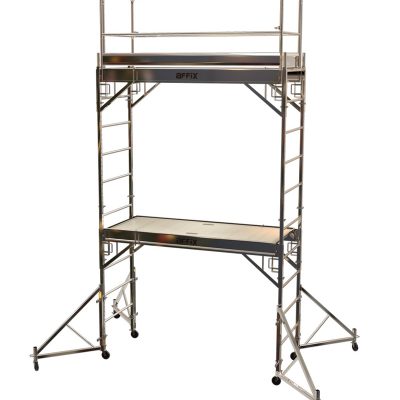
Showing the single result
Steel Scaffolding for Sale in Germany
Steel scaffolding is a reliable and robust solution for providing safe access in construction, industrial, and maintenance projects across Germany. Known for its exceptional strength, stability, and long lifespan, steel scaffolding offers professionals a versatile platform for elevated work. Its adaptability to various project requirements, combined with superior load-bearing capacity and fire resistance, makes it an essential tool for complex construction and maintenance environments. Affix Scaffolding provides high-quality steel scaffolding for sale in Germany, ensuring safety, durability, and compliance with regulatory standards while meeting the needs of modern professional projects efficiently.
What is Steel Scaffolding?
Steel scaffolding is a construction framework designed to provide safe and stable access to elevated work areas. It is constructed using high-strength steel tubes and components that create a robust structure capable of supporting heavy loads. Its durability, adaptability, and compliance with safety standards make steel scaffolding a preferred solution for professionals in Germany, where precision, reliability, and safety are paramount in construction, industrial, and maintenance environments.
Definition and Composition
Steel scaffolding consists of interconnected steel tubes, frames, and platforms that form a temporary elevated structure. The steel used is typically galvanized or coated to prevent corrosion, ensuring longevity even in challenging outdoor conditions. Key components include:
-
Steel tubes and frames: Provide structural support and stability.
-
Platforms: Flat surfaces where workers, tools, and materials can be safely placed.
-
Braces and connectors: Maintain rigidity and distribute loads evenly.
-
Safety rails and toe boards: Prevent falls and secure equipment on elevated levels.
This composition creates a modular system that can be customized to meet project-specific height and configuration requirements.
Types of Steel Scaffolding
Steel scaffolding comes in several variations to suit diverse applications:
-
Frame scaffolding: Commonly used in building construction for quick assembly and strong support.
-
Tube and clamp scaffolding: Offers flexible configurations for irregular structures or complex layouts.
-
Ringlock scaffolding: Provides high stability and quick assembly for large-scale industrial projects.
-
Cuplock scaffolding: Known for ease of installation and robust load-bearing capacity.
-
Mobile scaffolding: Equipped with wheels for portability and adaptability across different work areas.
Each type provides specific advantages, allowing professionals to choose scaffolding systems tailored to their operational needs.
Applications of Steel Scaffolding
Steel scaffolding is widely used across various sectors in Germany due to its strength and reliability. Common applications include:
-
Construction projects: Supporting workers and materials during building, renovation, or repair tasks.
-
Industrial maintenance: Facilitating access to machinery, piping, and storage systems in factories or plants.
-
Infrastructure projects: Providing elevated access for bridges, tunnels, and public works.
-
Commercial building maintenance: Safe access for façade cleaning, painting, and window installation.
-
Event and temporary structures: Used to construct stages, platforms, and seating areas for events.
Its ability to withstand heavy loads and harsh environmental conditions ensures consistent performance across these varied applications.
Load-Bearing and Safety Considerations
Steel scaffolding is designed to bear significant weight while maintaining structural integrity. Each component is engineered to distribute loads evenly, preventing buckling or collapse. Safety features such as guardrails, toe boards, and non-slip platforms are integral to protecting personnel and equipment. Proper assembly, periodic inspection, and adherence to load specifications are critical to ensuring safe usage.
Advantages Over Other Materials
Compared to wooden or aluminum scaffolding, steel scaffolding offers distinct benefits:
-
Higher load capacity: Supports heavier workers, equipment, and materials.
-
Enhanced durability: Resistant to damage from weather, impact, or heavy use.
-
Fire resistance: Unlike wooden scaffolding, steel does not combust, enhancing safety.
-
Long service life: Maintains strength and stability over extended periods, reducing replacement frequency.
These advantages make steel scaffolding particularly suitable for large-scale, high-demand projects.
Modular Design and Flexibility
Steel scaffolding systems are inherently modular, allowing for adjustments in height, width, and configuration to accommodate diverse project requirements. This flexibility is achieved through interchangeable components, including frames, braces, platforms, and connectors. Modular design enables professionals to:
-
Adapt to different building heights: Extend or reduce scaffolding as required.
-
Customize layouts: Fit scaffolding to irregular structures or confined spaces.
-
Simplify assembly and disassembly: Modular components facilitate quick setup and dismantling, saving time and labor costs.
Compliance with Standards
Steel scaffolding supplied by professional vendors in Germany is designed to meet rigorous safety and regulatory standards. Compliance with DIN EN 12811 and other European regulations ensures that scaffolding provides reliable support and protects workers at all elevations. Proper certification is essential for legal and safety considerations on construction sites and industrial facilities.
Why is Steel Scaffolding Popular?
Steel scaffolding is widely favored among professionals in Germany for its unmatched combination of strength, safety, and adaptability. Its consistent performance in demanding construction, industrial, and maintenance environments makes it a staple on project sites where reliability is critical. The popularity of steel scaffolding is rooted in its ability to meet rigorous safety standards, support substantial loads, and provide long-term durability while remaining flexible enough to suit diverse project requirements.
1. Exceptional Strength and Load-Bearing Capacity
One of the primary reasons steel scaffolding is popular is its high strength. Constructed from high-grade steel, it can safely support workers, equipment, and materials across multiple levels.
-
Heavy-duty support: Accommodates multiple personnel and tools simultaneously.
-
Industrial applications: Suitable for machinery access, factory maintenance, and infrastructure projects.
-
Structural reliability: Resistant to bending or deformation under weight.
The capacity to bear significant loads ensures safety and efficiency, particularly in large-scale construction and industrial settings.
2. Durability and Long Lifespan
Steel scaffolding offers a long service life, outperforming many other materials such as wood or aluminum. Its durability comes from its resistance to environmental stress and mechanical damage.
-
Corrosion-resistant coatings: Galvanization or powder coating prevents rust.
-
Impact-resistant structure: Withstands rough handling, heavy use, and environmental wear.
-
Cost efficiency: Longevity reduces the need for frequent replacements, saving both time and money.
Durable scaffolding ensures that projects can progress without interruptions due to equipment failure.
3. Safety and Compliance
Safety is a top priority in German construction and industrial projects, and steel scaffolding aligns perfectly with these requirements.
-
Regulatory compliance: Meets DIN EN 12811 and other European standards.
-
Integrated safety features: Includes guardrails, toe boards, and non-slip platforms.
-
Stability under load: Minimizes risk of tipping or collapse.
By providing a secure working platform, steel scaffolding enhances worker confidence and reduces the likelihood of accidents on site.
4. Fire Resistance
Unlike wooden scaffolding, steel is non-combustible, providing an added safety advantage in environments where fire hazards may be present.
-
Industrial safety: Ideal for chemical plants, refineries, and construction sites with welding or heat operations.
-
Regulatory advantage: Meets fire safety standards and reduces potential risk exposure.
-
Protection of assets: Minimizes potential damage to equipment and project materials.
Fire resistance contributes to its widespread adoption in Germany’s safety-conscious industries.
5. Versatility and Adaptability
Steel scaffolding can be adapted to various project requirements, making it highly versatile.
-
Modular systems: Adjustable height and configuration for different building structures.
-
Multiple types: Frame, tube and clamp, ringlock, cuplock, and mobile scaffolding cater to specific needs.
-
Complex layouts: Can accommodate irregular shapes, tight spaces, and multi-level structures.
This adaptability allows professionals to rely on steel scaffolding for a wide range of applications, from simple maintenance tasks to complex infrastructure projects.
6. Stability and Reliability
Steel scaffolding maintains stability even under heavy loads and dynamic conditions.
-
Robust connections: Secure clamps, braces, and platforms ensure rigidity.
-
Resistance to environmental stress: Performs reliably in wind, rain, or industrial environments.
-
Safe for elevated tasks: Workers can focus on tasks without concern for platform instability.
Stability enhances productivity while ensuring that workers operate in a secure environment.
7. Reusability and Modular Design
Steel scaffolding is highly reusable, making it an economically sustainable choice for professional projects.
-
Modular components: Interchangeable parts allow customization and rapid assembly.
-
Easy disassembly: Components can be stored and reused across multiple sites.
-
Long-term investment: Provides value over numerous projects, reducing operational costs.
Reusability and modularity make steel scaffolding both practical and cost-effective for recurring project needs.
8. Popularity Across Industries
Steel scaffolding’s combination of strength, safety, and adaptability makes it suitable for various sectors:
-
Construction: Buildings, bridges, and high-rise projects.
-
Industrial maintenance: Factories, warehouses, and chemical plants.
-
Public infrastructure: Roads, tunnels, and stadiums.
-
Commercial services: Facade maintenance, window cleaning, and building repairs.
Its widespread use across industries in Germany highlights its reliability and efficiency.
9. Ease of Integration with Other Systems
Steel scaffolding can be integrated with other scaffolding solutions or safety systems to create comprehensive elevated access platforms.
-
Compatibility with accessories: Safety nets, hoists, and guardrails.
-
Custom configurations: Adjust for specific project layouts or obstacles.
-
Scalable solutions: Can be expanded vertically or horizontally as needed.
Integration flexibility further enhances its appeal for large or complex projects.
10. Economic Efficiency
While initial costs may be higher than alternatives, steel scaffolding offers significant long-term savings.
-
Reduced replacement costs: Long-lasting material minimizes recurring expenses.
-
Lower maintenance: Durable construction reduces repair requirements.
-
Efficiency in setup: Modular design saves time and labor costs.
Economic efficiency combined with safety and versatility makes steel scaffolding a preferred solution in Germany.
Steel scaffolding is popular due to its exceptional strength, long lifespan, compliance with safety standards, fire resistance, versatility, stability, modular design, cross-industry application, ease of integration, and cost efficiency. These attributes make it a reliable, safe, and practical choice for professional projects requiring elevated access and secure work platforms.
Benefits of Steel Scaffolding
Steel scaffolding provides numerous advantages that make it a preferred solution for construction, industrial maintenance, and infrastructure projects in Germany. Its combination of durability, strength, and adaptability ensures that professionals can complete elevated tasks safely and efficiently. The following list highlights the key benefits of steel scaffolding and its practical impact on project execution.
1. Exceptional Strength
-
High load-bearing capacity: Supports multiple workers, heavy tools, and construction materials simultaneously.
-
Structural reliability: Maintains stability under dynamic conditions, including strong winds or vibrations.
-
Industrial suitability: Handles rigorous tasks in factories, plants, and large-scale construction projects.
The strength of steel scaffolding ensures safe, uninterrupted work, even in demanding environments.
2. Long Lifespan
-
Durable materials: Galvanized or coated steel resists rust, corrosion, and mechanical wear.
-
Reduced replacement frequency: Long service life minimizes downtime and operational costs.
-
Investment value: Offers consistent performance across multiple projects.
Long-lasting scaffolding allows companies to plan and execute projects efficiently without frequent equipment replacement.
3. Enhanced Stability
-
Robust connections: Clamps, braces, and frames ensure secure structural integrity.
-
Wide base design: Reduces tipping risk and enhances platform balance.
-
Load distribution: Evenly spreads weight across the structure for safe operation.
Stability is crucial for worker confidence, productivity, and accident prevention.
4. Fire Resistance
-
Non-combustible material: Steel does not catch fire, unlike wood scaffolding.
-
Safety in industrial environments: Suitable for areas with welding, heat operations, or flammable materials.
-
Compliance with regulations: Meets German fire safety standards for construction and maintenance sites.
Fire-resistant scaffolding protects workers and reduces potential damage to project assets.
5. Versatility
-
Adaptable designs: Frame, tube and clamp, ringlock, cuplock, and mobile scaffolding options.
-
Custom configurations: Modular components allow adjustments for height, width, and layout.
-
Multi-industry applications: Effective for construction, industrial, commercial, and infrastructure projects.
Versatility allows steel scaffolding to meet a wide range of operational demands.
6. Safety Features
-
Guardrails and toe boards: Prevent accidental falls and secure tools on platforms.
-
Non-slip surfaces: Enhance traction and reduce the risk of slipping.
-
Regulatory compliance: Meets DIN EN 12811 and European safety standards.
Safety features reduce accidents and ensure that workers can operate efficiently at heights.
7. Cost-Effectiveness
-
Durability reduces replacement costs: Minimal need for frequent scaffold replacements.
-
Efficiency in assembly and disassembly: Modular design lowers labor costs.
-
Reusability: Components can be used across multiple sites and projects.
Economic efficiency makes steel scaffolding a practical long-term investment for professional operations.
8. Fire and Weather Resistance
-
Weatherproof coatings: Protect against rain, UV exposure, and industrial chemicals.
-
Durability in extreme conditions: Performs reliably in harsh environments.
-
Low maintenance requirements: Minimal upkeep compared to other materials.
Resistance to environmental factors ensures consistent performance on outdoor and industrial sites.
9. Ease of Assembly and Disassembly
-
Modular components: Allow quick setup and adjustment to project requirements.
-
Time-saving installation: Reduces downtime and labor costs.
-
Flexible reconfiguration: Enables reuse for different projects and layouts.
Quick assembly and reusability improve overall project efficiency and operational flexibility.
10. Adaptability to Project Needs
-
Height adjustments: Suitable for multi-level construction and high-rise projects.
-
Layout customization: Fit irregular or confined spaces without compromising stability.
-
Compatibility with accessories: Safety nets, hoists, and guardrails can be integrated easily.
Adaptability allows steel scaffolding to serve diverse applications, from simple maintenance to complex infrastructure construction.
11. Environmental and Regulatory Compliance
-
Galvanized or coated steel: Reduces environmental impact through longevity and minimal material waste.
-
Compliant design: Meets workplace safety and European construction standards.
-
Sustainable usage: Components are reusable and recyclable, supporting environmentally responsible practices.
Compliance and sustainability enhance professional credibility and align with regulatory expectations.
12. Operational Efficiency
-
Reliable support: Workers can perform tasks safely at height without delays.
-
Load capacity and stability: Reduces the need for additional temporary supports or platforms.
-
Versatile applications: A single scaffolding system can be adapted for multiple job requirements.
Operational efficiency helps meet project timelines, improve productivity, and reduce potential hazards.
Steel scaffolding offers exceptional strength, long lifespan, stability, fire and weather resistance, safety, cost-effectiveness, versatility, ease of assembly, adaptability, compliance, and operational efficiency. These benefits collectively make steel scaffolding a highly reliable and practical choice for professionals in Germany who require elevated work platforms that prioritize safety, durability, and performance.
Features of Steel Scaffolding
Steel scaffolding is designed with a variety of features that enhance safety, durability, and usability for professional projects in Germany. Its robust construction and modular design allow it to accommodate a wide range of applications, from construction sites to industrial maintenance. The following features highlight why steel scaffolding is a preferred choice among professionals who require reliable, adaptable, and high-performance work platforms.
1. Modular Design
-
Interchangeable components: Frames, braces, and platforms can be connected in multiple configurations.
-
Customizable layouts: Adaptable to various building shapes, heights, and confined spaces.
-
Scalable solutions: Additional modules can extend scaffolding horizontally or vertically as needed.
Modular design allows for rapid assembly and disassembly, providing flexibility and efficiency across projects.
2. Adjustable Heights
-
Telescopic options: Some steel scaffolding types allow for easy height adjustments.
-
Multi-level platforms: Supports work at different elevations without requiring separate scaffolds.
-
Precision alignment: Adjustable height ensures level platforms for safe operations.
Height adjustability enhances productivity by providing safe and ergonomic access to elevated areas.
3. High Load Capacity
-
Robust steel construction: Supports multiple personnel, equipment, and materials simultaneously.
-
Even load distribution: Braces and connectors maintain structural integrity under heavy weights.
-
Industrial suitability: Ideal for large-scale construction and maintenance projects.
High load capacity ensures safe and reliable performance in demanding environments.
4. Safety Rails and Toe Boards
-
Guardrails: Prevent workers from falling off elevated platforms.
-
Toe boards: Stop tools and materials from sliding off scaffolds.
-
Integrated safety design: Protects personnel and equipment while meeting German safety standards.
These features reduce workplace accidents and contribute to regulatory compliance on professional job sites.
5. Durability and Fire Resistance
-
Galvanized or powder-coated steel: Resists corrosion, rust, and environmental wear.
-
Non-combustible material: Provides fire safety for construction and industrial applications.
-
Long-term performance: Maintains strength and stability over years of use.
Durable and fire-resistant scaffolding ensures safe, continuous operations even in challenging conditions.
6. Stability Features
-
Wide base frames: Enhance balance and minimize tipping risk.
-
Secure braces and connectors: Keep the structure rigid under heavy loads.
-
Anti-slip platforms: Provide secure footing for workers.
Enhanced stability ensures worker confidence and allows for safe operations at all elevations.
7. Ease of Assembly and Disassembly
-
Quick setup: Modular components simplify scaffold construction.
-
Minimal tools required: Reduces labor costs and setup time.
-
Reusable parts: Components can be disassembled and relocated to new sites efficiently.
Ease of assembly saves time and resources, making steel scaffolding practical for multiple projects.
8. Compatibility with Accessories
-
Integration with safety nets and hoists: Enhances protection and operational efficiency.
-
Platform extensions: Allow for broader working surfaces or specialized applications.
-
Custom add-ons: Tailor scaffolding to unique project requirements.
Accessory compatibility increases flexibility, making scaffolding adaptable to complex tasks.
9. Weather and Chemical Resistance
-
Coated steel surfaces: Resist moisture, UV rays, and industrial chemicals.
-
Outdoor suitability: Can be deployed in varying weather conditions without compromising performance.
-
Reduced maintenance: Retains structural integrity over long-term exposure.
Resistance to environmental factors ensures reliable functionality across indoor and outdoor projects.
10. Mobile and Stationary Options
-
Mobile scaffolding: Equipped with wheels for relocation between sites.
-
Stationary scaffolding: Provides a stable platform for fixed construction and industrial operations.
-
Versatile deployment: Enables efficient use across different project types.
Mobile and stationary options allow professionals to select the right configuration for operational needs.
11. Standard Compliance
-
DIN EN 12811 certification: Ensures compliance with German and European scaffolding regulations.
-
Structural verification: Confirms load-bearing capacity, safety features, and design integrity.
-
Quality assurance: Supports inspections and adherence to workplace safety requirements.
Compliance guarantees that scaffolding is safe, reliable, and legally suitable for professional use.
12. Longevity and Reusability
-
Reusable modules: Can be dismantled and deployed across multiple projects.
-
Minimal wear and tear: Maintains functionality even with repeated assembly.
-
Economic value: Reduces long-term investment costs by extending lifespan.
Long-lasting and reusable scaffolding provides efficiency and cost-effectiveness for businesses managing multiple projects.
Steel scaffolding combines modularity, adjustable heights, high load capacity, safety features, durability, stability, accessory compatibility, weather resistance, mobility options, regulatory compliance, and long-term usability. These features collectively ensure that professionals in Germany can rely on steel scaffolding for secure, versatile, and efficient elevated access across construction, industrial, and commercial applications.
Tips to Follow While Looking for Steel Scaffolding
Selecting the right steel scaffolding for professional projects in Germany requires careful consideration of safety, material quality, design, and supplier reliability. Investing in scaffolding that meets project requirements ensures worker safety, regulatory compliance, and operational efficiency. The following tips provide actionable guidance for choosing steel scaffolding that aligns with both practical and regulatory needs.
1. Verify Material Quality
-
High-grade steel: Ensure the scaffolding is constructed from durable, load-bearing steel.
-
Corrosion resistance: Look for galvanized or powder-coated finishes to prevent rust and deterioration.
-
Structural integrity: Confirm that frames, braces, and connectors are robust and resistant to deformation.
High-quality materials increase longevity, reduce maintenance, and provide safe support for workers and equipment.
2. Check Load Capacity
-
Understand project requirements: Identify the maximum personnel and material weight the scaffolding must support.
-
Safety margin: Choose scaffolding rated for loads exceeding the expected operational weight.
-
Multi-level support: Ensure that platforms can safely carry distributed loads across all levels.
Accurate load capacity evaluation prevents structural failure and ensures worker safety.
3. Assess Safety Features
-
Guardrails and toe boards: Protect personnel and prevent tools or materials from falling.
-
Non-slip platforms: Ensure secure footing in wet or uneven conditions.
-
Compliance with standards: Verify DIN EN 12811 or equivalent certifications for safety and reliability.
Comprehensive safety features reduce workplace hazards and meet German regulatory requirements.
4. Consider Design and Modularity
-
Modular components: Facilitate flexible configurations and easy assembly.
-
Adjustable heights: Allow scaffolding to adapt to varying project levels.
-
Compatibility with accessories: Ensure scaffolding can integrate with hoists, nets, or additional platforms.
Modular and adaptable design enhances versatility, allowing scaffolding to be reused and configured for multiple applications.
5. Inspect Supplier Reliability
-
Certified suppliers: Choose vendors recognized for quality and compliance with safety standards.
-
Product documentation: Ensure clear specifications, certifications, and installation instructions are provided.
-
After-sales support: Verify availability of technical guidance, maintenance advice, and replacement parts.
A reliable supplier ensures product quality, support, and peace of mind throughout project execution.
6. Evaluate Durability and Longevity
-
Resistance to environmental factors: Verify scaffolding can withstand moisture, UV exposure, and industrial conditions.
-
Maintenance requirements: Look for scaffolding that requires minimal upkeep while maintaining structural integrity.
-
Long-term investment: Choose systems designed for repeated use across multiple projects.
Durable scaffolding provides consistent performance, reduces replacement frequency, and supports cost-effective project management.
7. Verify Ease of Assembly and Disassembly
-
Tool requirements: Check if the assembly can be completed with minimal tools.
-
Component labeling: Clear labeling ensures correct installation and reduces setup time.
-
Modular integration: Confirm that parts can be easily disassembled, stored, and redeployed.
Ease of assembly saves time, labor costs, and improves overall operational efficiency.
8. Examine Fire and Environmental Resistance
-
Fire-resistant construction: Steel scaffolding should be non-combustible for industrial and construction safety.
-
Weatherproof finishes: Protective coatings extend service life under rain, sun, and industrial exposure.
-
Chemical resistance: Essential for scaffolding used in chemical plants or environments with corrosive materials.
Environmental resilience ensures scaffolding remains reliable across a variety of settings and conditions.
9. Confirm Mobility and Flexibility
-
Mobile scaffolding options: Consider wheeled units for projects requiring frequent relocation.
-
Stationary configurations: Stable systems for fixed construction or industrial applications.
-
Layout adaptability: Ability to fit irregular or confined spaces without compromising stability.
Flexibility allows scaffolding to serve multiple project types efficiently, improving productivity and reducing downtime.
10. Budget and Cost Considerations
-
Total cost of ownership: Include purchase price, maintenance, and expected lifespan.
-
Value over time: Investing in high-quality scaffolding reduces long-term replacement and repair costs.
-
Scalable solutions: Modular systems allow incremental investment based on project size.
Considering costs alongside quality ensures a balance between financial efficiency and operational safety.
11. Confirm Compliance and Certification
-
Regulatory adherence: Ensure scaffolding meets DIN EN 12811 and relevant European standards.
-
Documentation: Obtain certificates of compliance for legal and safety verification.
-
Inspection readiness: Certified scaffolding simplifies workplace audits and regulatory checks.
Certified scaffolding protects workers and ensures adherence to legal and safety requirements in Germany.
12. Evaluate Adaptability for Project Needs
-
Height and width adjustments: Match scaffolding to project dimensions and accessibility requirements.
-
Accessory compatibility: Integration with guardrails, platforms, and hoists enhances efficiency.
-
Versatile configurations: Allows the same scaffolding system to be used across multiple job types.
Adaptability ensures scaffolding can serve various professional applications, maximizing usability and return on investment.
Why Choose Affix Scaffolding?
Affix Scaffolding has established itself as a trusted provider of steel scaffolding in Germany, delivering high-quality products that meet the rigorous demands of construction, industrial, and maintenance projects. Choosing the right scaffolding supplier is essential for safety, efficiency, and long-term value, and Affix Scaffolding ensures that each aspect of its steel scaffolding meets professional standards. The company’s commitment to quality, service, and reliability makes it a preferred choice for professionals seeking dependable elevated access solutions.
1. Premium Quality Steel Scaffolding
-
High-grade materials: Steel scaffolding is made from galvanized or coated steel for durability and corrosion resistance.
-
Rigorous quality checks: Each component is tested to ensure strength, stability, and compliance with German safety standards.
-
Reliable performance: Products are designed to withstand heavy loads, harsh environments, and repeated use.
Affix Scaffolding provides scaffolding that professionals can rely on for safe and consistent performance across multiple projects.
2. Comprehensive Range of Products
-
Variety of scaffolding types: Frame scaffolding, tube and clamp, ringlock, cuplock, and mobile options.
-
Modular and adjustable systems: Solutions for different project sizes and layouts.
-
Accessory compatibility: Guardrails, hoists, platforms, and other attachments are available to enhance functionality.
A comprehensive product range ensures that every project requirement is met efficiently, providing flexibility and versatility.
3. Commitment to Safety
-
Regulatory compliance: Products meet DIN EN 12811 and other relevant European standards.
-
Integrated safety features: Guardrails, toe boards, and non-slip platforms protect personnel and equipment.
-
Structural reliability: High load capacity and stability reduce risks of accidents on site.
Safety is central to Affix Scaffolding’s approach, ensuring elevated work platforms meet professional standards.
4. Expert Technical Support
-
Installation guidance: Clear instructions and technical support for proper assembly and use.
-
Maintenance advice: Recommendations for regular inspections and upkeep to prolong scaffolding lifespan.
-
Problem resolution: Assistance with component replacement or troubleshooting to maintain operational efficiency.
Professional support ensures that clients can utilize scaffolding safely and effectively throughout project execution.
5. Durability and Longevity
-
Resistant to corrosion and environmental wear: Galvanized steel ensures long-lasting performance.
-
Fire and weather resistance: Provides safe operation in challenging conditions.
-
Reusable modular components: Scaffolding can be dismantled, stored, and redeployed for multiple projects.
Affix Scaffolding products are designed for repeated use, providing a reliable long-term investment for professional teams.
6. Cost-Effective Solutions
-
Reduced replacement costs: Durable materials minimize the need for frequent replacements.
-
Efficient setup and disassembly: Modular design saves time and labor costs.
-
Flexible investment options: Scaffolding can be scaled according to project requirements.
Affix Scaffolding offers solutions that provide excellent value while maintaining high standards of safety and performance.
7. Versatility Across Industries
-
Construction applications: Residential, commercial, and infrastructure projects.
-
Industrial maintenance: Factories, plants, and large-scale facilities.
-
Commercial building maintenance: Façade work, painting, and window installations.
The versatility of Affix Scaffolding’s products allows professionals to use a single scaffolding solution across diverse sectors efficiently.
8. Customization and Modularity
-
Adjustable heights and layouts: Tailored solutions for specific project requirements.
-
Integration with accessories: Enables additional safety and operational efficiency.
-
Flexible configurations: Ideal for confined spaces or irregular structures.
Customization and modularity ensure that scaffolding meets specific operational needs without compromising safety or stability.
9. Reliable Supplier Network
-
Certified steel scaffolding supplier: Recognized for product quality and regulatory compliance.
-
Prompt delivery: Ensures timely access to scaffolding for project schedules.
-
Ongoing support: Provides advice, replacement components, and technical guidance as needed.
Choosing Affix Scaffolding ensures access to a trusted supplier capable of supporting long-term operational success.
10. Focus on Professional Client Needs
-
Tailored advice: Guidance based on project type, load requirements, and safety considerations.
-
Comprehensive solutions: From mobile scaffolding to stationary modular systems, solutions fit the client’s exact requirements.
-
Customer-oriented service: Assistance from product selection through installation, use, and maintenance.
Affix Scaffolding prioritizes professional needs, ensuring reliable and safe elevated access for every project in Germany.
Affix Scaffolding combines premium product quality, regulatory compliance, versatility, safety, durability, cost-effectiveness, technical support, and customization to provide steel scaffolding solutions that professionals in Germany can trust. Their commitment to meeting diverse operational requirements while maintaining safety and reliability positions them as a preferred choice for projects requiring elevated access and robust scaffolding solutions.
FAQs
1. What types of steel scaffolding are available in Germany?
Steel scaffolding types include frame scaffolding, tube and clamp scaffolding, ringlock scaffolding, cuplock scaffolding, and mobile scaffolding. Each type is designed to accommodate different project needs, offering flexibility, stability, and load-bearing capacity suitable for construction, industrial maintenance, and commercial applications.
2. How safe is steel scaffolding for workers?
Steel scaffolding is designed with safety in mind, including guardrails, toe boards, non-slip platforms, and secure braces. It meets DIN EN 12811 and European safety standards, providing a stable and secure elevated work environment for personnel in construction and industrial projects across Germany.
3. Can steel scaffolding be used for heavy industrial applications?
Yes. Steel scaffolding is ideal for heavy-duty industrial projects due to its high load-bearing capacity, durability, and robust construction. It can safely support multiple workers, machinery, and materials simultaneously, ensuring stability in factories, plants, and large-scale maintenance operations.
4. What maintenance is required for steel scaffolding?
Steel scaffolding requires periodic inspections for corrosion, loose components, and structural integrity. Galvanized or coated steel reduces rust, and regular cleaning prevents the accumulation of debris. Proper maintenance ensures safety, longevity, and compliance with German workplace standards.
5. How do I choose the right steel scaffolding supplier in Germany?
Select a supplier offering certified steel scaffolding with high-quality materials, regulatory compliance, technical support, and timely delivery. Verify certifications, customer support, product documentation, and modularity to ensure the scaffolding meets your specific project requirements.
6. Is steel scaffolding fire-resistant?
Yes. Steel scaffolding is non-combustible, providing an added layer of safety in environments where fire hazards exist. Its fire-resistant properties make it suitable for construction sites, industrial facilities, and maintenance areas where heat, welding, or flammable materials are present.
7. Can steel scaffolding be reused for multiple projects?
Absolutely. Steel scaffolding is modular and durable, allowing it to be disassembled, stored, and redeployed for different projects. Reusability makes it cost-effective and suitable for contractors and businesses managing multiple construction or maintenance operations.
8. How does steel scaffolding handle weather conditions?
Steel scaffolding, especially with galvanized or powder-coated surfaces, resists corrosion and environmental wear. It maintains stability in rain, wind, and varying temperatures, making it reliable for outdoor construction, industrial maintenance, and infrastructure projects throughout Germany.
9. Is mobile steel scaffolding available for Germany?
Yes. Mobile steel scaffolding comes equipped with wheels or casters for easy relocation between work areas. It allows flexibility for projects that require frequent adjustments or movement, without compromising load capacity, stability, or safety features.
10. Are steel scaffolding components modular and adjustable?
Yes. Components such as frames, braces, and platforms are modular, allowing height, width, and layout adjustments to suit specific project requirements. Modularity ensures versatility, faster assembly, efficient disassembly, and adaptability to various construction, industrial, and commercial applications.